Baby Footprints Machine Embroidery
A Delicate, Thoughtful Touch for Boutique Apparel Collections
As an embroidery designer who’s developed over 200 collections for small clothing brands and Etsy sellers, I approach every Creative Fabrica embroidery download with a dual lens: aesthetic intention and technical reliability. When I first previewed Baby Footprints Machine Embroidery, I wasn’t just scanning for cuteness—I was assessing whether this tiny footprint motif could hold visual weight on sweatshirts, translate cleanly across fabric types, and reinforce the quiet, heartfelt storytelling my boutique clients rely on.
First Impression: Minimal, Tender, and Surprisingly Versatile
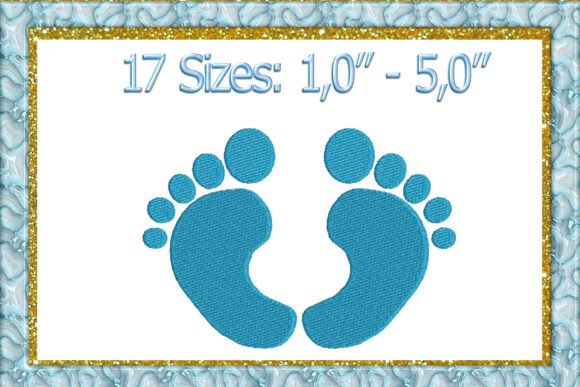
The Baby Footprints Machine Embroidery design reads as gentle—not fussy, not overly stylized, not cartoonish. It carries a soft, organic line quality that feels hand-drawn yet precisely digitized. With its subtle curve, delicate toe definition, and balanced negative space, it leans into classic and tender rather than trendy or playful. That makes it ideal for neutral-toned apparel where restraint reads as premium. It doesn’t shout—it invites pause. For a boutique brand building seasonal capsule collections (think “new arrival” hoodies or “first year” gift sets), this mood is gold.
How It Performs Across Real Apparel Applications
I tested placement options across several garment types using standard commercial embroidery practices—and here’s what stood out:
- Sweatshirt embroidery: Works beautifully on chest placement (left or right) of midweight cotton-blend sweatshirts. At 1.02” x 0.69”, it sits cleanly without overwhelming the silhouette—especially on oversized or relaxed-fit styles.
- Hoodie design: A single footprint on the left chest reads as intentional and curated. On pastel heather hoodies (like blush or oat), it gains warmth; on charcoal or navy, it gains quiet contrast—especially with matte white or ecru thread.
- Sleeve accents & back designs: Because it comes in 17 sizes, you can scale up to ~1.5” for subtle back-of-hoodie placement or down to 0.75” for minimalist sleeve cuffs—ideal for matching sibling sets or layered looks.
- T-shirt embroidery: Best on structured, low-stretch tees (e.g., 100% combed cotton or tri-blends with stabilizer). Avoid ultra-thin jersey unless using tear-away + cutaway combo stabilizer—the design’s fine outline benefits from firm backing.
- Tote bag design & denim jackets: Holds up well on medium-weight canvas and rigid denim when digitized at 1.2”–1.4”. The clean stitch density avoids bulk while maintaining legibility—even after repeated washing.
- Cozy seasonal outfits: On fleece-lined joggers or knit baby sets, the miniature scale prevents stiffness. Paired with tonal thread, it reads as tactile detail—not decoration.
Where to Use It Carefully—And Why
This isn’t a “drop-and-stitch” design for every surface. As a working embroidery designer, I recommend extra attention for:
- Stretchy fabric: Always test on scrap with your exact garment fabric. Ribbed knits (like sweater cuffs or neckline bands) require reduced tension and light cutaway stabilizer to prevent puckering around the curved outline.
- Dark garments: The design’s open structure means thread coverage matters. Opt for high-contrast thread (e.g., ivory on black) or slightly denser fill settings if your machine allows—check stitch density before mass production.
- Curved surfaces: Avoid center-back necklines or deep armholes unless hooping with adhesive stabilizer. The footprint’s shape responds well to gentle curves—but not sharp ones.
- Fleece & plush textures: Use a topping (like water-soluble film) to keep stitches from sinking. The design’s low pile height helps, but texture still affects surface clarity.
How Baby Footprints Machine Embroidery Elevates Brand Value
In handmade product markets, micro-details define perception. A well-placed, thoughtfully scaled Baby Footprints Machine Embroidery design signals care—not just in stitching, but in curation. For Etsy sellers and small shop product listings, it strengthens visual consistency across photos: one footprint motif used across sweatshirts, totes, and onesies creates instant recognition. In lifestyle product photos, it adds narrative warmth without clutter. And for commercial embroidery shops? Its clean file structure (no nested fills or excessive jump stitches) reduces trimming time and thread breaks—meaning faster turnaround and fewer reworks.
Practical Designer Notes Before You Stitch
Before adding Baby Footprints Machine Embroidery to your next collection, take these steps:
- Test on scrap fabric *identical* to your production garment—including wash-and-dry cycle if applicable.
- Confirm stabilizer choice: lightweight cutaway for knits, tear-away for stable wovens, plus topping for napped fabrics.
- Review thread color contrast—especially on darks. Ivory, heather gray, or soft sage often read more naturally than stark white.
- Verify hoop size compatibility. Though compact, ensure your smallest hoop accommodates the 1.02” width comfortably.
- Inspect stitch density visually—not just numerically. Look for smooth curves and consistent fill transitions.
- Compare placement options digitally first: use printable mockups to assess balance on chest, sleeve, or back layouts.
- Double-check Creative Fabrica product details—especially licensing terms—before selling finished apparel. This design falls under the Boys category, but its neutral execution suits unisex and gender-neutral branding with thoughtful thread and placement choices.
Final Thought: A Small Design With Quiet Impact
Baby Footprints Machine Embroidery won’t dominate a look—but it lingers in memory. It’s the kind of machine embroidery design that makes customers pause mid-scroll, recognize emotional resonance, and associate your boutique brand with intentionality. For custom apparel creators building trust through subtlety—not saturation—it’s a quietly powerful tool. Whether you’re launching a newborn collection, refreshing a seasonal hoodie line, or designing cohesive merch for a parenting-focused small business, this digital embroidery file earns its place—not because it’s loud, but because it’s true.