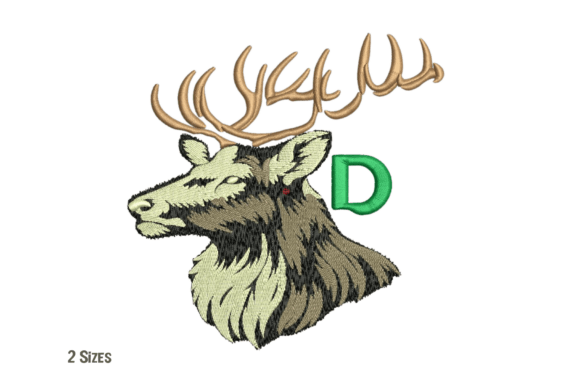
Deer Head Embroidery Design
First Impressions: Majestic, Refined, and Ready for Premium Sweatshirts
As an embroidery designer who’s developed collections for over a dozen boutique brands—from Brooklyn-based slow-fashion labels to Pacific Northwest outdoor lifestyle shops—I opened Deer Head Embroidery Design expecting elegance. What I found was exactly that: a composition that balances natural realism with intentional negative space, where the antlers aren’t just ornamental—they’re architectural. The design breathes. It doesn’t shout; it invites. That’s rare in wild animal motifs, which often trend toward cartoonish or overly aggressive silhouettes. This one lands firmly in the rustic-meets-luxury lane—ideal for a small shop wanting to stand out without sacrificing wearability.
How It Performs Across Sweatshirt Realities
This isn’t a “one-size-fits-all” machine embroidery design—and that’s its strength. On a heavyweight, garment-washed oat heather sweatshirt? The deer head reads as quietly confident: subtle texture in the fur rendering, crisp antler tips catching light without glare. On deep charcoal or navy fabric, the stitch density (as implied by “beautifully detailed antlers and realistic features”) suggests thoughtful underlay and satin-fill balance—no puckering, no thread pooling. And on soft pastel heathers—think dusty rose or sage—the design gains a gentle, almost feminine woodland character without veering into cutesy territory.
For oversized hoodies? It scales beautifully on chest placement—centered just below the collarbone, it anchors the silhouette without overwhelming proportion. As a sleeve accent (inner bicep or cuff), it becomes a quiet signature—perfect for customers who love storytelling details. And on the back? With slight vertical expansion (a quick 5–8% scaling in your embroidery software), it transforms into a bold yet tasteful statement piece—ideal for limited seasonal drops.
Design Personality & Brand Alignment
Deer Head Embroidery Design is neither minimal nor decorative—it’s intentionally expressive. It leans rustic, yes—but refined rustic. Think hand-thrown pottery next to brushed brass, not flannel and axe handles. That nuance matters for boutique branding. When your customer sees this on a product photo or in-store display, they’re not just buying a sweatshirt—they’re aligning with a mood: grounded, observant, quietly confident. For Etsy sellers and handmade product creators, that emotional resonance builds instant trust. It signals care—not just in stitching, but in curation.
Thread Colors & Contrast Strategy
The description doesn’t specify included thread colors, so here’s what I recommend: For neutral fabrics, go monochrome—ecru on cream, charcoal gray on oat, or deep forest green on heather olive. On darks, a matte black or espresso thread will preserve depth without looking flat. Avoid high-sheen rayon unless you’re aiming for fine-art poster vibes—this design thrives in matte cotton or premium polyester threads that echo natural textures. Always test contrast on your actual fabric swatch: a single-thread mismatch can mute the antler definition or flatten the eye detail.
Stabilizer & Fabric Texture Considerations
Sweatshirts demand stability—and this design’s “realistic features” imply fine line work and layered fills. That means medium-weight cutaway stabilizer is non-negotiable, especially for commercial embroidery runs. Tear-away may shift under dense antler sections, risking distortion. For fleece-backed or loopback fabrics, add a light film topping to prevent thread nesting. And if you’re embroidering on lightweight French terry or vintage-wash blends? Reduce stitch density slightly in your editing software—or confirm whether the original embroidery file includes optimized versions for lighter weights.
Practical Production Notes Every Small Shop Should Know
Before you load Deer Head Embroidery Design into your machine: check hoop size compatibility. A chest-placement version should comfortably fit a 4×4 or 5×7 hoop—anything larger risks awkward centering on standard sweatshirt fronts. Also verify washing durability: tight satin stitches around the eye or muzzle need secure lock-downs and appropriate underlay. If your sample puckers or fades after one cold wash, revisit stabilizer choice—not the design itself. This is a Wild Animals category piece built for longevity, but only when paired with sound technique.
Why This Elevates Your Boutique Brand—Beyond Just Stitching
In a crowded digital marketplace, Deer Head Embroidery Design functions as more than a machine embroidery design—it’s a brand amplifier. On Etsy listings, it creates instant visual recognition across thumbnails and printable mockups. In lifestyle photography, it adds narrative weight: imagine it on a model leaning against pine bark, steam rising from a ceramic mug, golden-hour light catching the antler edges. That cohesion—between design, garment, and story—is what turns browsers into repeat buyers.
It also supports perceived value. Customers pay more for apparel that feels designed, not decorated. This embroidery file delivers that distinction. Its realism avoids trend fatigue; unlike seasonal graphics, it won’t feel dated by next fall. And for small shop owners juggling production, marketing, and fulfillment? Knowing your core embroidery assets—like Deer Head Embroidery Design—are versatile, durable, and emotionally resonant saves hours of creative recalibration.
Final Thought: A Design That Grows With Your Business
This isn’t just another Embroidery download. It’s a foundational design asset—one that works equally well on a $68 unisex hoodie and a $120 limited-edition cashmere-blend crewneck. It supports custom apparel branding without demanding heavy rework. It invites collaboration—pair it with botanical border files for holiday collections, or layer it beneath minimalist typography for brand storytelling.
If you’re an Etsy seller, embroidery shop owner, or creative entrepreneur building something meaningful—not just scalable—Deer Head Embroidery Design earns its place in your library. Just remember: always verify file format compatibility, stitch count expectations, and license terms before bulk production. Because great design deserves great execution—and your customers can feel the difference.