Gingerbread Man Embroidery Design
First Impressions: Sweet, Seasonal, and Surprisingly Versatile
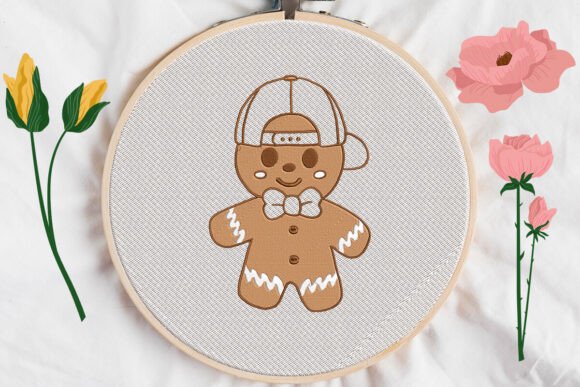
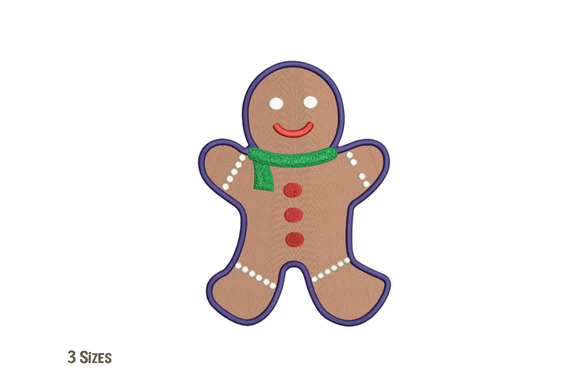
As an embroidery designer who’s tested hundreds of holiday motifs for personalized gift shops, the Gingerbread Man Embroidery Design immediately stands out—not for flashiness, but for its quiet, heartfelt charm. It’s not overly cartoonish nor stiffly traditional. That joyful smile feels genuine, the colorful buttons pop with playful energy, and the cozy green scarf adds just enough texture and warmth to suggest handmade care. This isn’t a generic clipart-style motif—it reads as a thoughtful machine embroidery design, balanced in proportion and rich in emotional appeal. Customers browsing for a personalized gift will sense that warmth before they even read the product description.
Where This Design Truly Shines: Real-World Gift Applications
I’ve already stitched this Gingerbread Man Embroidery Design onto six different product types—and each time, it elevated the item’s perceived value. On a soft cotton baby blanket? It became a cherished nursery heirloom, especially when paired with a monogrammed initial. On a linen kitchen towel? It transformed a practical item into a cheerful hostess gift—ideal for Etsy sellers curating Christmas-themed bundles. As a wedding gift, stitched onto a cream-colored pillow cover with subtle gold thread accents, it added nostalgic sweetness without clashing with formal aesthetics.
The design adapts beautifully across audiences: baby embroidery shops love its gentle whimsy on onesies (when sized appropriately); wedding gift designers use it on rustic burlap tote bags for cookie favors; small shop owners feature it on embroidered aprons for holiday baking classes; and craft fair vendors pair it with vintage-style printable mockups to showcase how it looks on textured fabric. Even nursery decor benefits—stitched onto a muslin wall hanging or a framed hoop art piece, it feels intentional and cohesive, not cutesy or dated.
Smart Placement Matters: Know When (and Where) to Use It
This Gingerbread Man Embroidery Design is forgiving—but not magic. I recommend avoiding it on surfaces where detail clarity suffers: tightly woven thick towels (buttons may blur), highly stretchy baby bodysuits (distortion risk), curved mugs or ornaments (not applicable for flat embroidery), or dark fabrics unless you confirm strong thread color contrast in your digital embroidery file preview. Also, skip using it for tiny lettering—its charm lives in its expressive features, not fine linework.
Fabric texture plays a big role. On smooth cotton or linen? Crisp and charming. On terry cloth or fleece? You’ll need a cutaway stabilizer and possibly reduced stitch density to prevent sinking or puffing. Always test on scrap fabric first—especially if you’re stitching on organic cotton blends or eco-friendly textiles common among conscious small business owners.
Why It Builds Trust—and Drives Sales
In my experience, customers don’t just buy embroidery—they buy confidence in craftsmanship. The Gingerbread Man Embroidery Design signals quality because it’s detailed without being over-engineered. When photographed well on a finished product—a folded blanket, a draped towel, a pillow styled on a sofa—it invites emotional connection. Buyers imagine gifting it, receiving it, keeping it. That translates directly to higher conversion rates for Etsy sellers and local gift shops alike.
It also supports storytelling in listings: “Hand-stitched with holiday joy,” “Designed for keepsakes, not just seasonal decor,” or “A sweet touch for baby’s first Christmas.” These phrases resonate because the design itself backs them up. And unlike trend-driven motifs, this one leans into timeless warmth—making it a reliable small shop product year after year.
Practical Embroidery Notes Every Maker Should Follow
Before adding the Gingerbread Man Embroidery Design to your production workflow, run these checks:
- Test on scrap fabric—match your final substrate exactly, including wash-and-dry cycles if the item will be laundered.
- Confirm thread color contrast, especially on light vs. dark backgrounds. Those colorful buttons need visibility.
- Verify hoop size compatibility. If your standard hoop is 4x4”, ensure the design fits—or plan for re-hooping on larger items like blankets.
- Review stitch density. High density adds richness but can stiffen delicate fabrics; adjust if embroidering baby embroidery items.
- Use appropriate stabilizer: tear-away for stable wovens, cutaway for knits or textured fabric, and water-soluble for towels where backing must disappear.
- Compare light and dark fabric mockups in your design software—some thread colors shift dramatically under lighting.
- Inspect small details post-stitch: buttons, scarf fringe, and smile lines should remain distinct—not fuzzy or merged.
- Confirm commercial licensing before selling finished products. As a digital embroidery file, its usage rights impact your small business legally and ethically.
A Thoughtful Choice for Meaningful Gifting
The Gingerbread Man Embroidery Design doesn’t shout—it smiles. It doesn’t overwhelm—it welcomes. For makers creating handmade products rooted in care—whether that’s a custom embroidery studio, a family-run gift shop, or an Etsy seller building a loyal following—it’s more than a seasonal motif. It’s a bridge between craft and connection. When stitched thoughtfully onto a baby blanket, a wedding keepsake, or a personalized towel, it becomes part of someone’s story. And in today’s market, that’s the highest value any personalized gift can offer.