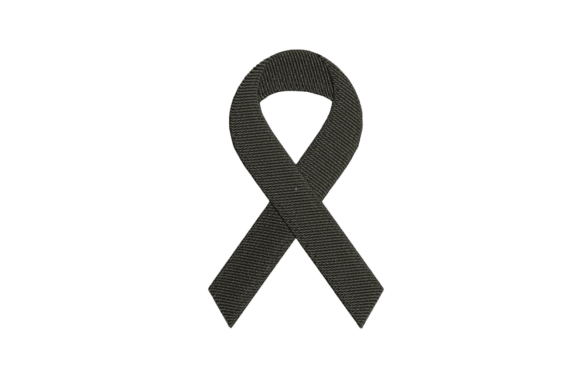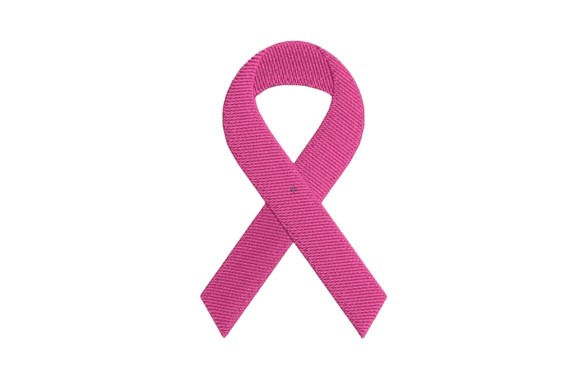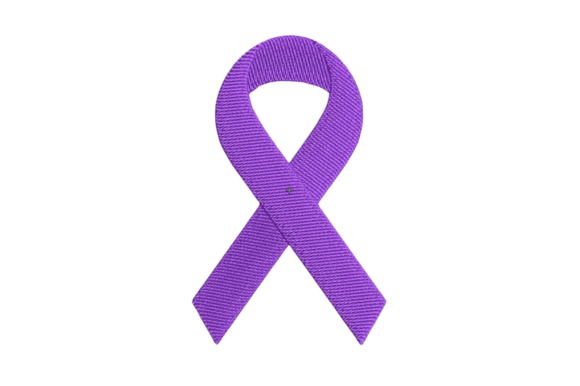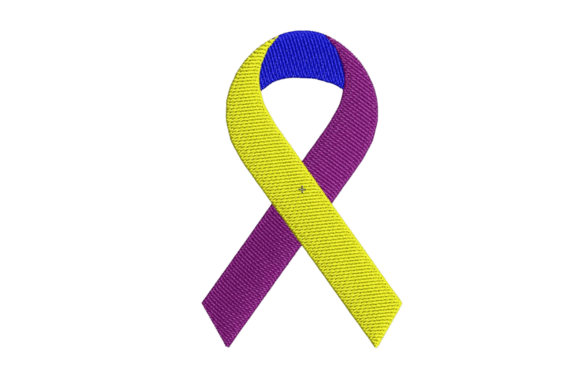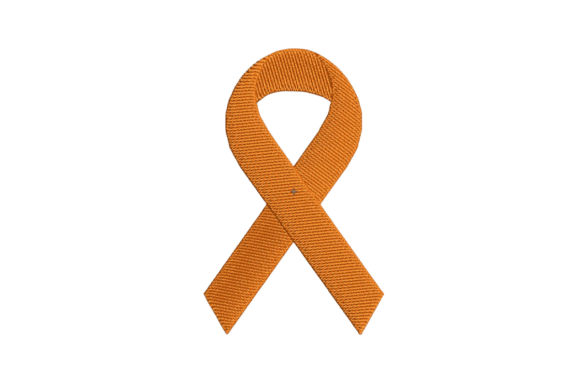
Kidney Cancer Ribbon Embroidery Design
First Impression: Quiet Strength, Not Cluttered Sentiment
As someone who’s stitched hundreds of awareness designs for craft fairs and handmade markets, my gut reaction to the Kidney Cancer Ribbon Embroidery Design is immediate respect—not for its complexity, but for its clarity. It’s not bold or festive; it’s grounded. The green kidney cancer ribbon reads as soft yet intentional—neither overly decorative nor clinically sterile. It lands somewhere between modern minimal and heartfelt inspirational, with just enough visual weight to feel meaningful on fabric. That balance is rare. Too many awareness ribbons drown in extra flourishes; this one trusts the symbol—and the wearer—to carry the message.
Where It Shines in Real Craft Fair Displays
In a crowded booth full of embroidered tea towels, aprons, and market bags, the Kidney Cancer Ribbon Embroidery Design stands out by *not* shouting. It draws attention through quiet consistency—not flash. Here’s where it performs best:
- Tote bag design: Centered on the front pocket or subtly placed near the bottom hem, it adds purpose without overwhelming. Customers scanning for cause-aligned items pause here—not because it’s loud, but because it feels sincere.
- Apron embroidery: Left chest placement works beautifully. The clean lines of the ribbon complement the functional elegance of a well-made apron, especially in linen or medium-weight cotton.
- Tea towel embroidery: Small-scale placement (e.g., lower corner or folded edge) gives kitchen linens emotional resonance. Paired with neutral weaves, it reads as thoughtful—not promotional.
- Embroidered patch: This may be its strongest format. A 2.5"–3" patch lets the ribbon hold proportion and stitch integrity across varied backings—denim jackets, canvas totes, even backpacks. Patches also scale well for batch production and appeal directly to Etsy sellers and small shop product lines.
- Pillow covers & fabric pouches: Works elegantly at 3"–4" width. On textured fabrics like slub linen or brushed cotton, the smooth ribbon shape creates a pleasing contrast—enhancing perceived handmade quality.
What Holds It Back (And How to Fix It)
The Kidney Cancer Ribbon Embroidery Design isn’t universally forgiving—and that’s okay. As an embroidery designer, I flag these practical constraints before cutting thread:
- Dense stitch areas: If the ribbon loop includes tight curves or layered fills, stitch density could cause puckering on lightweight knits or textured tea towels. Always test on scrap fabric matching your final product’s weight and weave.
- Small lettering? The product description doesn’t mention text—so assume it’s ribbon-only. That’s smart. Adding “Kidney Cancer Awareness” risks legibility loss at under 3" wide, especially on curved cap surfaces or dark fabric.
- Dark fabric & thread contrast: Green thread must pop against navy, charcoal, or black. Don’t rely on default digitizing greens—verify thread colors in natural light. A slightly brighter or yellow-green often reads clearer than deep forest tones on dark backgrounds.
- Hoop size & stabilizer: For patches and caps, confirm the design fits standard 4x4 hoops—or adjust spacing if larger. Use cutaway stabilizer for stretchy fabrics, tear-away for stable wovens. Skipping proper stabilizer turns a clean ribbon into a wobbly silhouette.
Selling Power: Attention, Value, and Repeat Appeal
This isn’t a novelty design—it’s a values-driven staple. At craft fairs, customers don’t just buy a ribbon; they buy alignment. The Kidney Cancer Ribbon Embroidery Design supports that exchange cleanly. It photographs exceptionally well for Etsy listings and printable mockups: high contrast, strong negative space, and no tiny details that blur in thumbnails. That means your online presence stays sharp, even at small sizes.
It also strengthens booth cohesion. Pair it with other green-toned handmade products—kitchen towels with sage stitching, ceramic mugs wrapped in green twine—and your display tells a unified story. No need for signage overload. The design itself becomes part of your brand consistency.
Most importantly, it’s repeatable. Unlike intricate monograms or seasonal motifs, this design has lasting relevance. You can produce it year after year for fundraising events, hospital gift shops, or local support groups—making it a reliable commercial embroidery asset.
Designer-to-Designer Notes Before You Stitch
If you’re prepping this Kidney Cancer Ribbon Embroidery Design for market day, treat it like any premium machine embroidery design—don’t rush the prep:
- Test on scrap fabric matching your final product’s texture and weight—especially for tea towel embroidery or apron embroidery.
- Check thread contrast in daylight *and* indoor lighting. Green on olive? Might vanish. Green on cream? Often sings.
- Review spacing: Does the ribbon breathe on the fabric, or does it feel cramped next to seams or hems?
- Confirm hoop size compatibility—especially if offering custom caps or curved-surface items.
- Inspect stitch density visually. Overly dense fills won’t lay flat on terry cloth or thick denim.
- Use the right stabilizer—no exceptions. Flimsy backing undermines the entire handmade quality.
- Create at least one real mockup—not just a digital preview. Hold it. Drape it. See how it moves.
- Compare fabric colors side-by-side. A heather gray tote may mute green more than expected.
- Verify commercial licensing status before selling finished products. This is non-negotiable for Etsy sellers and boutique makers.
Final Thought: Purpose With Precision
The Kidney Cancer Ribbon Embroidery Design isn’t flashy—but then, awareness work rarely is. Its strength lies in restraint, readability, and quiet dignity. For craft fair sellers and embroidery business owners, it’s a rare find: an inspirational, embroidery-ready design that sells not because it’s cute, but because it’s clear, consistent, and deeply human. When stitched with care on the right fabric, in the right size, with the right thread—it doesn’t just decorate a tote bag or pillow cover. It holds space. And in a handmade market full of noise, that’s the most valuable stitch of all.