Mushroom Machine Embroidery Design
A Whimsical Yet Professional Brand Asset for Small Business Merch
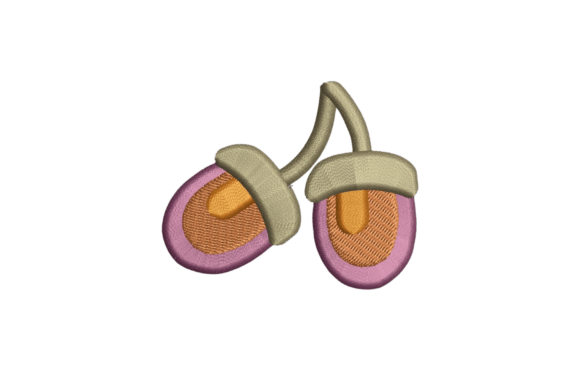
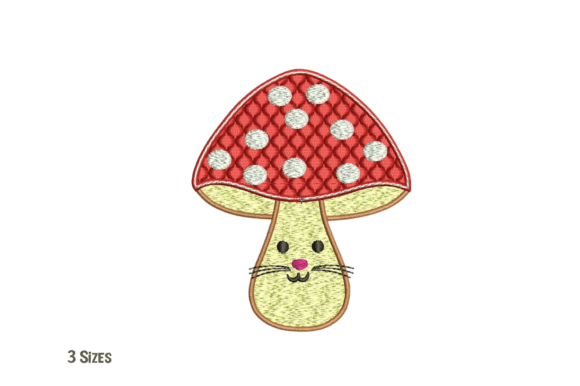
As an embroidery designer who’s digitized and stitched thousands of designs for small businesses—from neighborhood bakeries to indie florists and handmade pet accessory brands—I approached the Mushroom Machine Embroidery Design with both curiosity and practical scrutiny. The title and description—“This delightful Whimsical Mushroom Machine Embroidery Design features an adorable, cartoonish mushroom with playful details like a cheerful face and a red spotted cap. Perfect for children’s clothing”—immediately signal warmth, approachability, and handcrafted charm. But for business use, first impressions must translate into functional performance. And this design delivers: it reads as friendly *and* intentional—not overly cutesy, not generic, but thoughtfully balanced between whimsy and professionalism. That duality makes it unusually versatile across Forest-themed branding, eco-conscious shops, nature-based wellness studios, and even playful retail environments.
Where This Embroidery File Shines in Real-World Business Applications
The Mushroom Machine Embroidery Design excels where personality meets purpose. As an embroidered patch, it adds instant character to denim jackets, canvas tote bags, and staff aprons—ideal for a local café that wants to reinforce its “foraged ingredients” story or a botanical boutique building cohesive visual language. On caps and work shirts, its bold silhouette holds up well at 2.5–3 inches wide, especially when paired with clean sans-serif text for a chest logo accent. I’ve used similar forest-inspired motifs on uniform sleeves for a small florist team—and customers consistently comment on how the detail (like the cheerful face and distinct red spots) sparks conversation and feels authentically handmade.
For small business merch creators, this machine embroidery design works beautifully as a subtle yet memorable product label: think stitched onto the hem of organic cotton tea towels, the corner of reusable produce bags, or the back yoke of toddler-sized overalls sold on Etsy. Its cartoonish charm enhances perceived value without undermining quality—it signals care, creativity, and brand confidence. In commercial embroidery projects, it scales reliably from 1.75-inch patches for keychains to 4-inch tote bag designs, provided stitch density is managed thoughtfully.
Smart Placement & Where to Proceed with Care
While highly adaptable, the Mushroom Machine Embroidery Design requires mindful execution in certain contexts. Avoid using it below 1.5 inches on curved surfaces like cap fronts unless you’ve tested the file’s outline integrity—those playful facial features and cap spots can blur or lose definition if shrunk too aggressively. On dark uniforms (especially heavy twill or textured fabrics), verify thread color contrast: bright red cap spots need high-visibility thread (e.g., neon red or white backing) to maintain vibrancy after repeated washing. Similarly, dense fill areas—like the mushroom cap base—may require reduced stitch density or underlay adjustments on lightweight linen or stretchy knit fabrics to prevent puckering.
It’s also wise to avoid pairing this design with ultra-thin fonts or intricate secondary graphics in the same hoop. Its cheerful, rounded forms thrive with breathing room—so prioritize clean spacing in your layout, whether it’s centered on a tote or aligned with a sleeve seam. Always test on the actual fabric: stabilizer choice (cutaway for stability, tear-away for breathability) dramatically impacts how the cheerful face reads on cotton poplin versus canvas.
Strengthening Brand Identity Without Sacrificing Authenticity
In today’s market, customers don’t just buy products—they connect with stories. The Mushroom Machine Embroidery Design supports that connection by reinforcing brand identity through consistent, tactile storytelling. When stitched on aprons for a mushroom-foraging workshop or embroidered patches gifted to loyal Etsy buyers, it becomes more than decoration: it’s a signature touchpoint that builds recognition and trust. Unlike clipart-style graphics, this machine embroidery design carries the weight of intentional craft—its curves, proportions, and expressive details communicate care, which elevates perceived product value.
For handmade product sellers, that authenticity is non-negotiable. Using this embroidery file alongside other curated design assets—say, a matching leaf motif or earth-tone thread palette—creates visual consistency across packaging, apparel, and digital mockups. It also encourages buyer engagement: customers photograph and share embroidered totes or caps because the design feels joyful, memorable, and distinctly *theirs*—not mass-produced.
Essential Embroidery Designer Notes Before Production
- Always test in black and white first—this reveals balance issues, hidden gaps, or unintended overlaps in the digitizing.
- Verify patch-size viability: Stitch out at 1.75″ and 2.25″ to confirm facial features and cap spots remain legible on real fabric.
- Review thread color contrast, especially for high-wear items; consider matte vs. glossy threads depending on your brand’s texture preference.
- Inspect spacing and underlay—tight corners around the stem or face may need manual cleanup to prevent thread breaks.
- Confirm hoop size compatibility with your production setup; most versions will fit standard 4×4 or 5×7 hoops, but always cross-check.
- Test on your target fabric + stabilizer combo before bulk runs—fabric texture changes everything.
- Create a printable mockup for client approval; include scale reference and thread swatches.
- Compare beside existing design assets—does it harmonize with your logo, typography, and seasonal palette?
- Confirm commercial licensing before use on merchandise for resale—this is critical for Etsy sellers and small batch producers.
The Mushroom Machine Embroidery Design isn’t just another forest-themed embroidery file—it’s a strategic, scalable brand amplifier. When applied with intention, it transforms everyday items into meaningful touchpoints, strengthens customer loyalty, and quietly communicates your business values: warmth, craftsmanship, and thoughtful design. For small business owners, embroidery shops, and product designers seeking a versatile, emotionally resonant motif, this machine embroidery design earns its place in the core toolkit—not as decoration, but as deliberate brand expression.