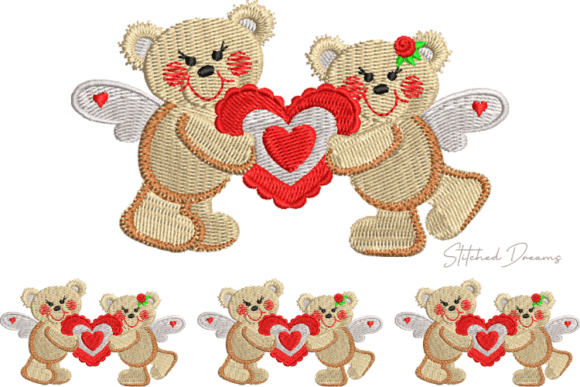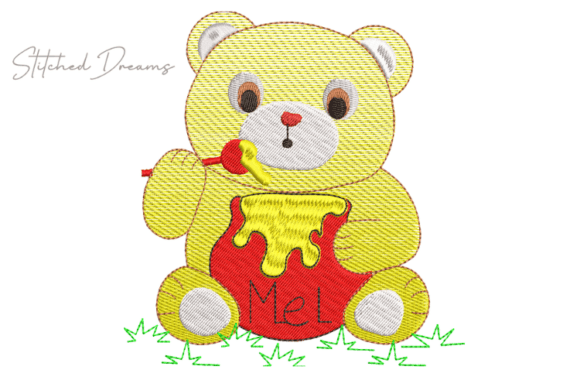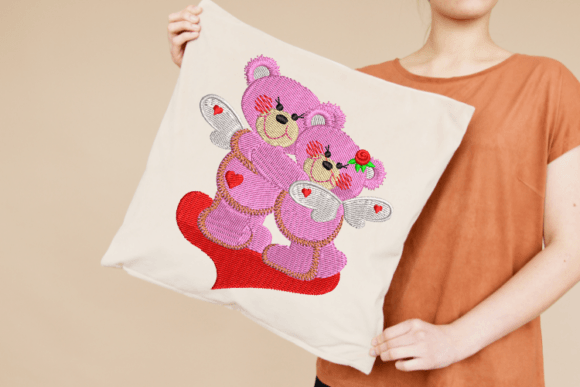
Teddies Collection Embroidery
First Impressions: Warm, Whimsical, and Instantly Recognizable
Opening the Teddies Collection Embroidery file, I immediately felt that familiar lift—the kind you get when a design lands with genuine charm, not just technical correctness. These aren’t stiff or overly stylized bears; they’re soft in silhouette, gently rounded, with expressive but restrained features. The collection leans into warmth without tipping into cloying sweetness—ideal for handmade products where authenticity matters. As a designer who regularly selects embroidery files for client work and my own small shop line, I looked first at balance: how the shapes sit within the hoop, how much negative space they hold, and whether their personality translates across fabric types. They do. This is embroidery that invites touch, not just sight.
A Real-World Test: Stitching It on a Linen Tea Towel for a Boutique Gift Line
Last week, I used one of the medium-sized teddy designs from the Teddies Collection Embroidery set on a natural linen tea towel—part of a spring nursery gift bundle for a local boutique. I chose a light gray thread on off-white linen, paired with tear-away stabilizer. The result? Clean satin-stitched edges, smooth fill stitch coverage, and no puckering—even on the towel’s slightly open weave. Customers noticed it right away: “It looks hand-drawn,” one said. That’s the quiet strength of this collection—it reads as intentional, not automated. For Etsy sellers and craft fair vendors, that perceived craftsmanship directly supports higher price points and repeat buyers.
Where It Shines (and Where to Pause)
The Teddies Collection Embroidery excels in applications where softness and approachability are part of the brand voice:
- Personalized baby items—onesies, burp cloths, and crib blankets benefit from the gentle scale and minimal fine detail
- Custom apparel—especially sweatshirts and structured tote bags, where the teddy’s solid shape holds up well against wear
- Embroidered patches—the clean outlines and moderate stitch density make them stable for iron-on or sew-on use
- Holiday and wedding gifts—a single bear stitched onto a muslin pillow cover or cotton apron adds quiet sentiment without visual noise
That said, I’d recommend caution in these situations:
- Thin or highly stretchy fabrics—like lightweight knits or jersey—require extra stabilizer testing. The fill areas can shift if tension isn’t dialed in.
- Dark or textured backgrounds—some of the finer interior details (like subtle paw lines or ear stitching) may soften visually unless thread contrast is high.
- Caps and curved surfaces—the larger teddy motifs may need slight digitizing tweaks to avoid distortion; start with the smallest bear in the set for cap fronts.
- Frequent-wash items—like children’s bibs—benefit from tighter satin stitch edges and a light cutaway backing for longevity.
Design Integrity Meets Commercial Practicality
As someone who supplies digital embroidery files to other makers—and sells finished embroidered goods—I pay close attention to how a machine embroidery design performs beyond the first stitch. The Teddies Collection Embroidery holds up well under scrutiny: consistent stitch density, logical jump thread placement, and no unnecessary underlay in low-detail zones. That means less thread breakage, smoother hooping, and faster run times—key for small shop owners juggling multiple custom orders. I also appreciate that the bears don’t rely on tiny lettering or micro-details to convey character. That’s smart design economy: fewer risks during production, more reliability in the finished product.
What It Adds to Your Handmade Product (Beyond Cuteness)
Using Teddies Collection Embroidery isn’t just about adding a motif—it’s about reinforcing trust. A well-executed teddy bear signals care, nostalgia, and intentionality. On an Etsy listing, that translates to stronger buyer engagement: shoppers linger longer, ask fewer fit questions, and leave reviews like “even more lovely in person.” For boutique branding, it lends cohesion—imagine the same bear motif appearing subtly on packaging tags, tea towels, and baby blankets. And for personalized gifts? It elevates the emotional weight. A single bear on a child’s backpack isn’t decoration—it’s a quiet promise of comfort.
Designer Notes You’ll Actually Use
Before stitching Teddies Collection Embroidery into your next project, here’s what I always do:
- Test on scrap fabric first—especially if using textured or dark material. Check how fill stitches settle and whether satin edges stay crisp.
- Review thread color contrast—try the same design in black and white mockups to assess legibility on both light and dark backgrounds.
- Confirm hoop size compatibility—not all bears in the set share the same footprint. Match each design to your most-used hoops to avoid re-hooping mid-project.
- Inspect small details—look closely at ears, paws, and facial elements. Are they defined enough for your target fabric? Adjust thread weight if needed.
- Use proper stabilizer—lightweight tear-away works for stable wovens; add cutaway for knits or layered garments.
- Verify licensing—if selling finished items or reselling the digital embroidery file, confirm commercial use rights before launch.
Bottom line: Teddies Collection Embroidery isn’t flashy—but it’s dependable, emotionally resonant, and built for real-world making. Whether you’re stitching a holiday gift for a friend or scaling production for your craft business, it delivers clarity, charm, and quiet professionalism. Just remember: even the most adorable bear needs thoughtful execution. Let the design guide you—but keep your stabilizer ready, your thread spools full, and your expectations grounded in practice, not just pixels.